Where Light Rests
$174.22
Sold Out
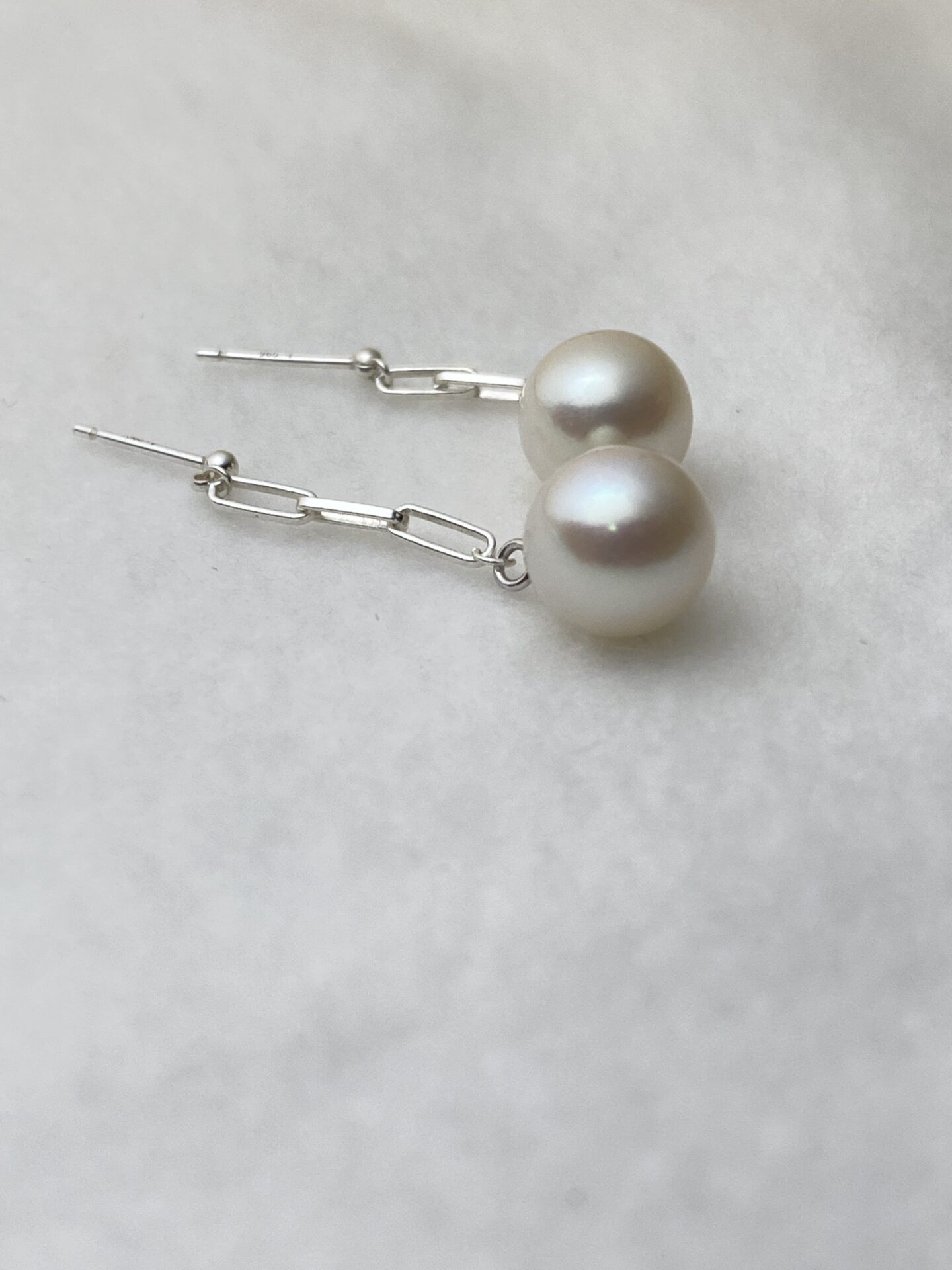
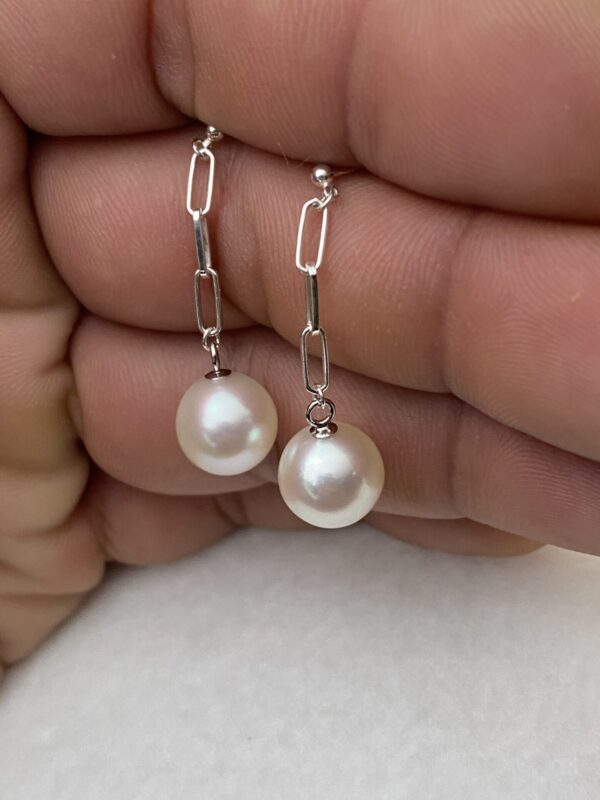
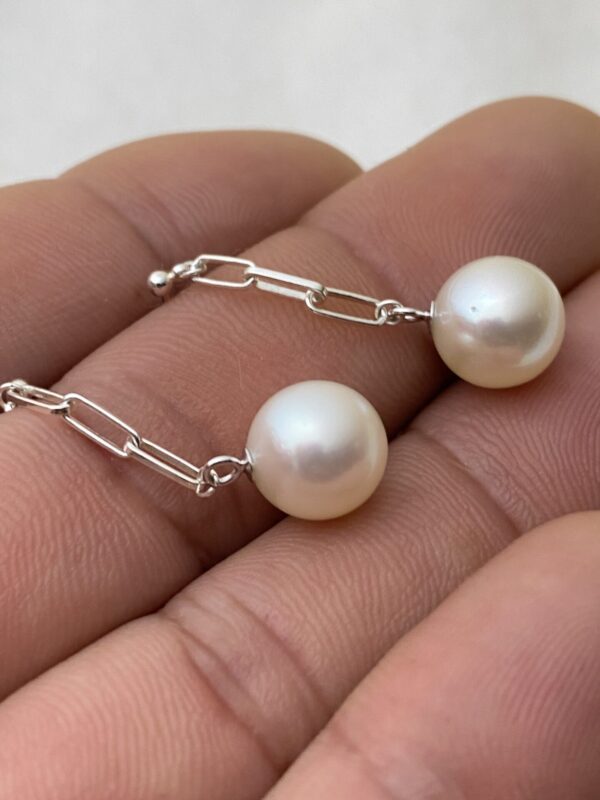
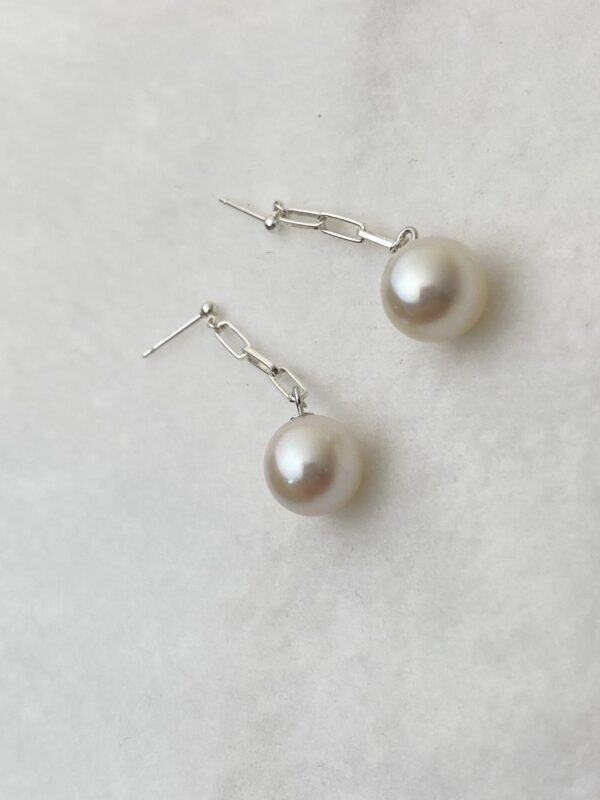
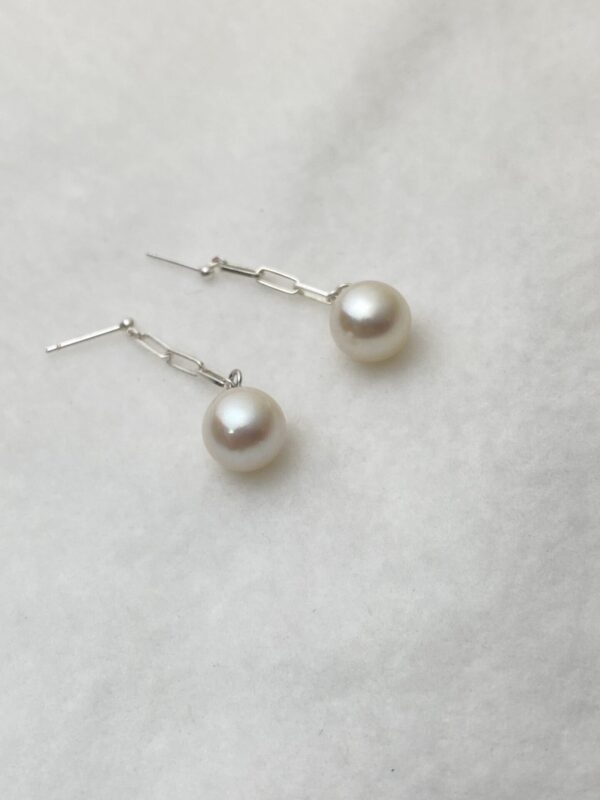
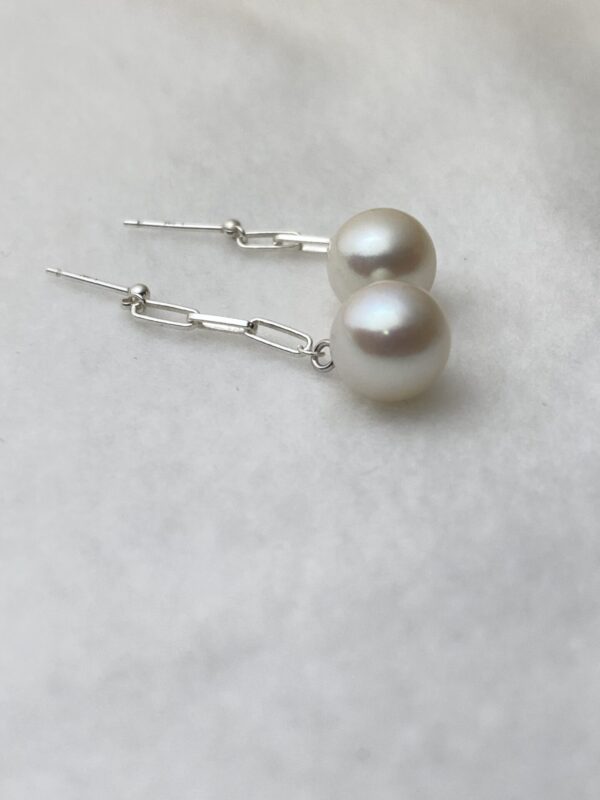
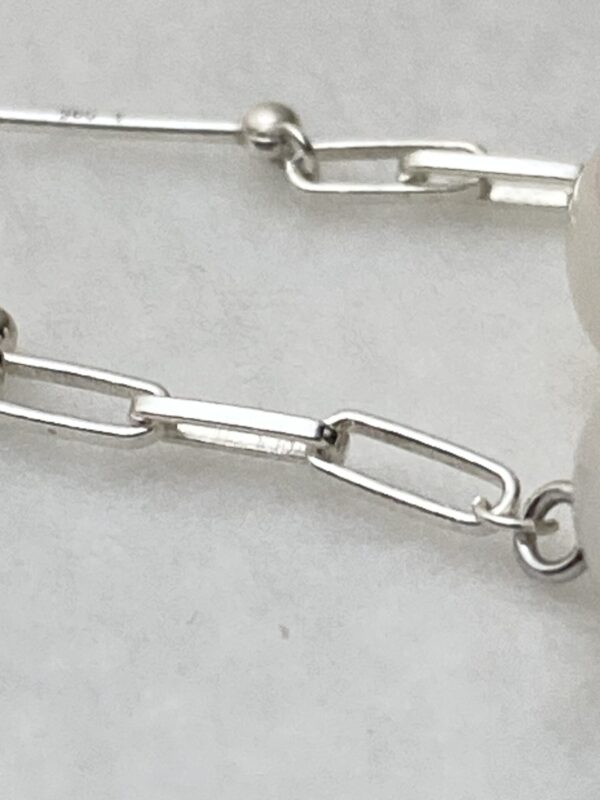
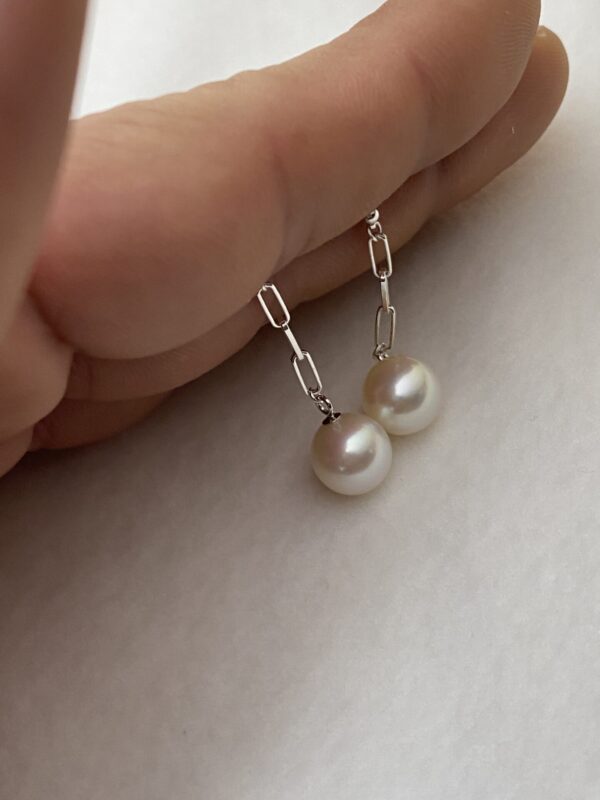
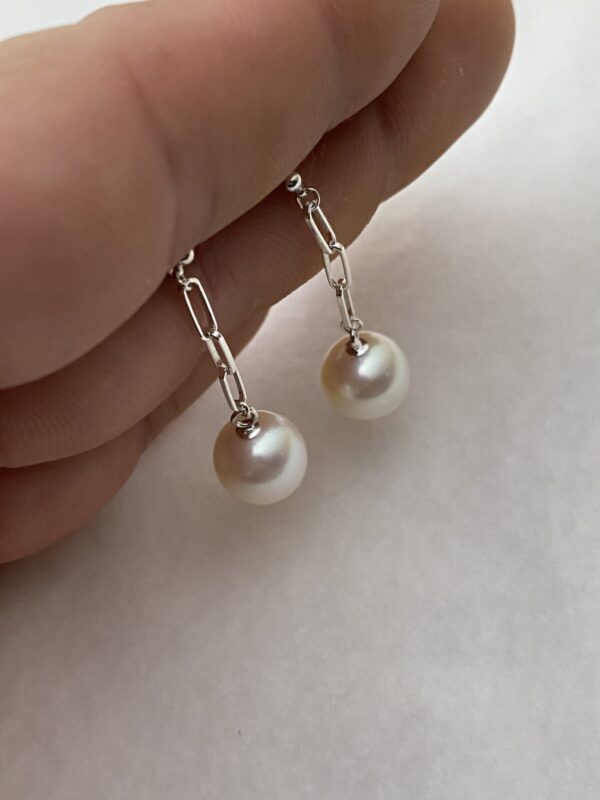
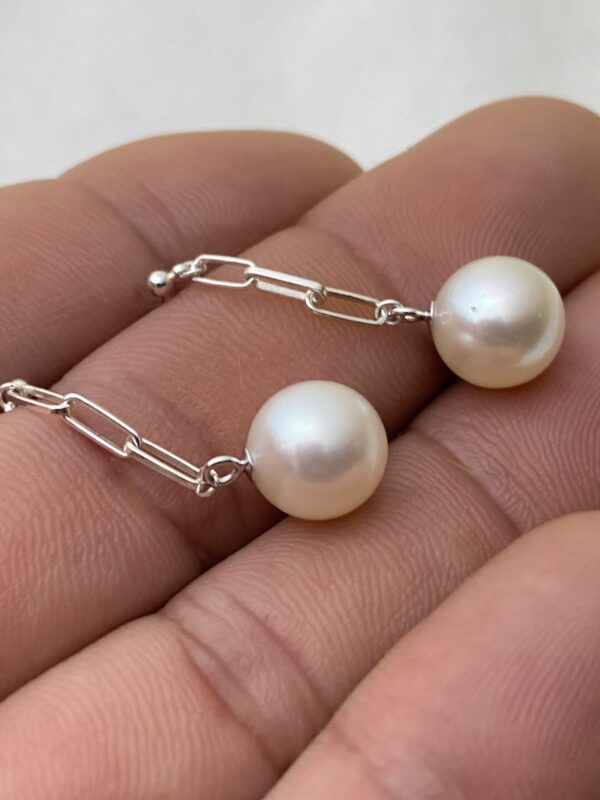
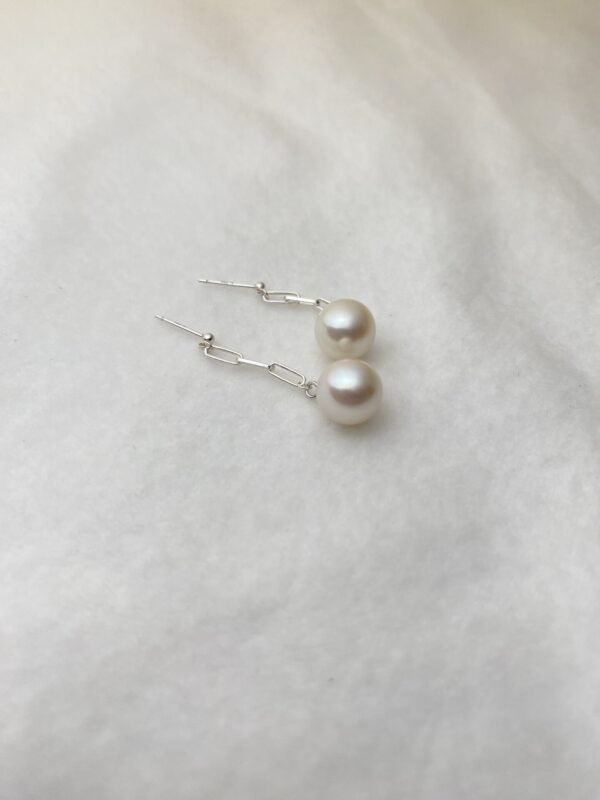
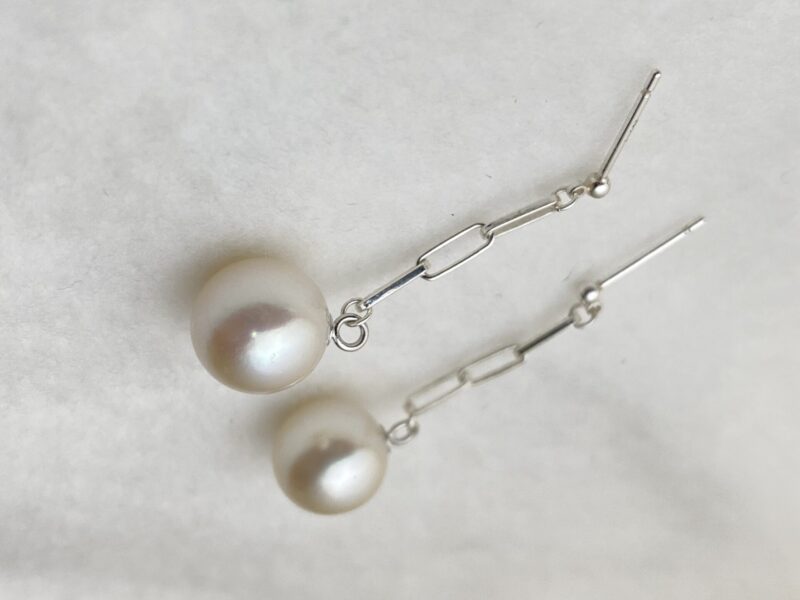
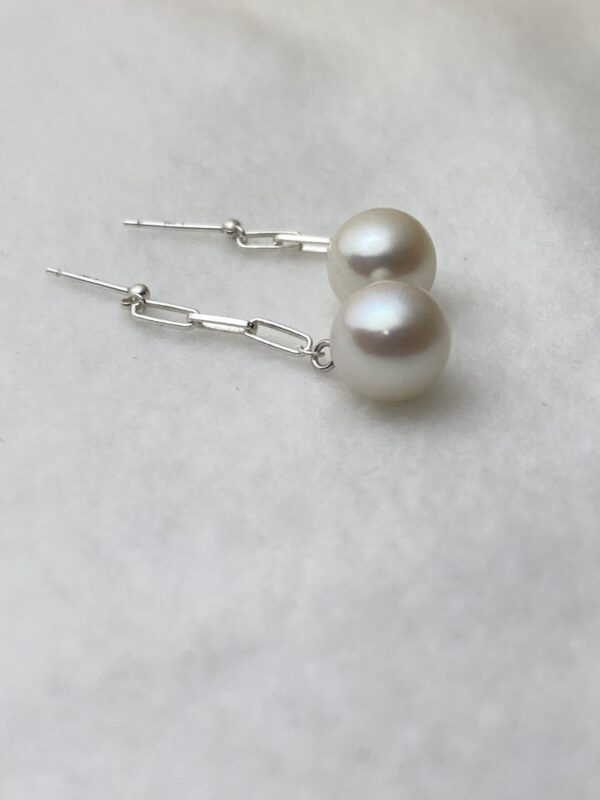
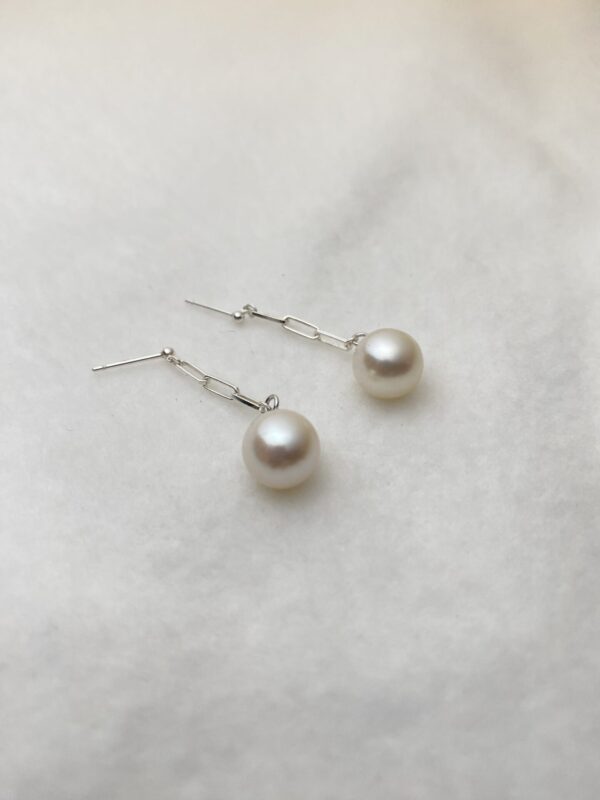
These are Akoya pearl earrings.
The pearls used here belong to the Sixty Series.
In Japan, Mie Prefecture is well known as a major pearl-producing region.
This is because Kokichi Mikimoto is said to have been the first to successfully cultivate pearls.
However, a few years before that, pearl cultivation had already succeeded in a region called Sukumo. After only a few years of prosperity, the pearl farms in Sukumo were destroyed by a great flood caused by heavy rain. Later, the person who had succeeded in pearl cultivation in Sukumo worked together with Mikimoto to reestablish pearl cultivation in Mie.
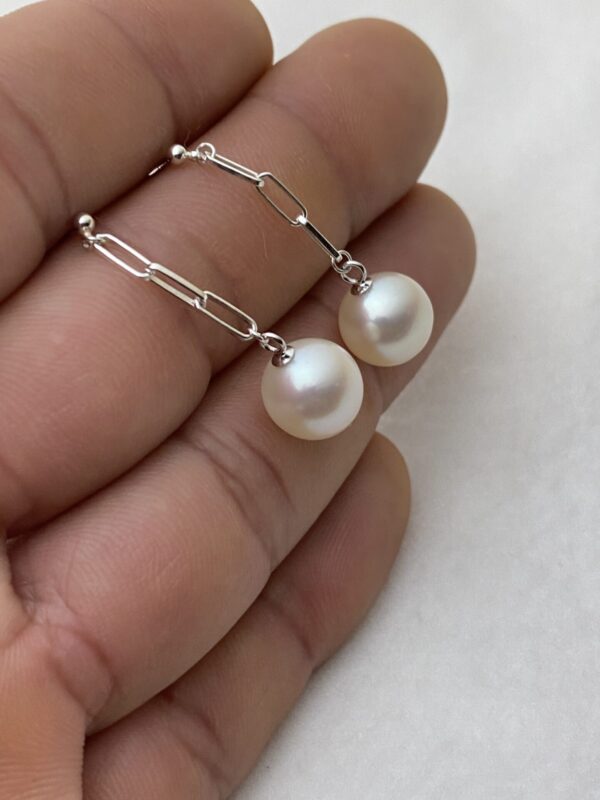
These Sixty Series pearls are among those that Flower Jem obtained directly from the descendants of a collaborator who had invested in the Sukumo pearl farm at that time and later invented a pearl stain-removal technique.
If you would like to learn more about pearl cultivation in Sukumo or about the Sixty Series, please visit the following article:
Akoya Pearls with a Century of History – The Sixty Collection Bracelet
As the name “Sixty” suggests, these pearls are said to be at least 60 years old.
In fact, they may be older, but Mr. Todo, a descendant of the person who invented the stain-removal technique, mentioned that if they are presented on platforms such as Etsy, it would be safe to describe them as “over 60 years old.”
These pearls had been stored for a long time at his family home and were later taken over by him during the process of organizing it.
He now works for a company related to South Sea pearls, but he is not very familiar with Akoya pearls. For that reason, he felt it would be better for someone knowledgeable about Akoya pearls to have them, which is how I came to acquire them.
For reference, I purchased these pearls based on the market price of Akoya pearls at the time they were transferred to me.
Some people may be surprised to hear that these pearls are more than 60 years old.
I was surprised as well.
However, in Kitano, Kobe—a district where more than 150 pearl companies are concentrated—pearls like these can occasionally be found.
There are also stories from people who worked in pearl companies saying that they were once given freshly harvested pearls by executives of major pearl companies.
Pearl dealers often stay for several weeks at auction venues for auctions limited to newly harvested pearls that begin at the start of the year. With many pearl dealers gathering, evenings are often filled with dinners, frequently at snack bars or clubs with hostesses.
At those times, it was not uncommon for pearl dealers to give unprocessed pearls—just as they were harvested—to the women working there.
When I was working at a pearl company, I spent two months during the harvest season traveling to pearl farming regions. During that time, I worked without days off, continuously sorting pearls in preparation for auctions. I stayed at an inn, and for about seven years I used the same one during that season. The staff at that inn also told me that they had received freshly harvested, unprocessed pearls from pearl dealers in the past.
Some of them said, “Even if I receive them, I don’t know what to do with them.”
There were even people who still kept pearls they had received 40 years ago, untouched.
Sometimes, when asked who gave them the pearls, the answer would be a well-known executive from a major pearl company.
For these reasons, pearls that are 60 years old are not particularly rare within the pearl industry.
Still, 60 years is 60 years. Personally, I feel nothing but romance.
And perhaps—if things had turned out differently—the Sukumo pearl farm connected to Mr. Todo might have become the center of pearl culture instead of Mie. In an exaggerated sense, these could be called pearls from a “phantom birthplace” of pearl cultivation.
That may be part of the romance.
In this era, overwhelmed by an immense flow of information, it feels like we hear the word “romance” less and less.
It feels like we live in a time with very little empty space, both physically and emotionally.
I am 46 years old. When I was a teenager, there was no internet. Growing up in the countryside, nights were very quiet.
At that time, I was not interested in reading. I would listen to the radio or CDs, and aside from that, the nights were simply quiet.
Before falling asleep, I had a habit of reflecting on the day.
What did my friend really mean by those words?
Was what I said appropriate?
That girl in my class is really beautiful.
I would think about such things while waiting for sleep.
In those days, when information was scarce, there was a lot of empty time.
When I look at these Sixty Series pearls, I feel a glimpse of that emptiness.
“What have you been doing for the past 60 years?”
“What would have happened if your farm had not disappeared?”
Because there is no information, I feel that space.
And within that space, imagination expands.
Instead of being carried away by the overwhelming flow of information, I expand my own world of imagination.
“Isn’t it all the same?”
From the outside, perhaps it is.
But inside, it feels slightly different.
At least for me, I am drawn to things I do not fully understand.
It is the same with thick nacre.
We do not fully understand how that deep luster is created, and that is why we are captivated by it.
It feels similar to looking down into the ocean from a boat far offshore.
You do not feel the same way in shallow water where you can see the bottom.
The unknown can be frightening, but at the same time, it is attractive.
A beautiful person seen only from afar remains fascinating because we know nothing about them.
Their interests, their background, whether they like dogs or not—we know nothing, and that invites curiosity.
On the other hand, we may feel less curiosity toward someone we already know everything about.
The deep ocean, thick nacre, distant admiration, the sky beyond blue—
what we do not understand is filled with attraction.
When I think about these pearls from Sukumo over 60 years ago, my heart begins to race.
What have you been doing all this time?
When we leave things unknown, the space for imagination becomes limitless.
In everyday work, we might be told, “If you don’t understand, ask!”
But with these pearls, it is different.
Try imagining what your surroundings were like 60 years ago.
These pearls were living through the same time.
This space is not only for reviews. You are welcome to write freely about pearl jewelry, ask questions, or share what you feel when you see this piece. Member registration is required to submit your message.
Pearls & Stories
There are no stories yet.